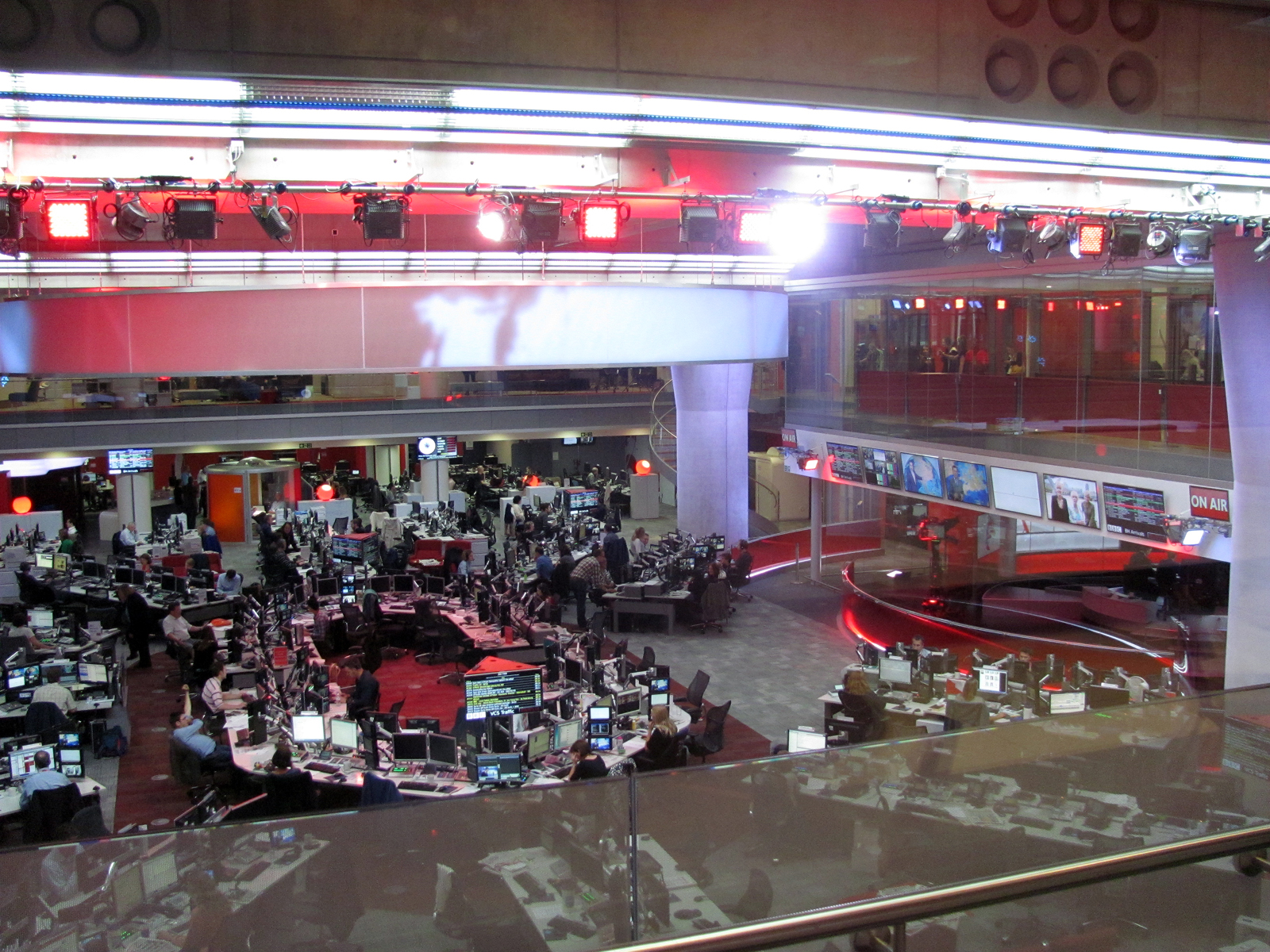
Photo by danxoneil via flickr (BY)
Navigating the dynamic landscape of breaking news and trending topics presents a perennial challenge for both news organizations and individual consumers of information: the critical decision of when to disseminate a developing story. In an era defined by instantaneous communication and the relentless pursuit of immediacy, the temptation to be first often clashes with the imperative of accuracy and comprehensive understanding. This article delves into the crucial considerations and practical frameworks that dictate "When to Wait Before Sharing Developing Stories," offering guidance for discerning readers and content creators alike within the realm of generic news and trending context.
Key Takeaways
- Prioritize Verification Over Velocity: The primary directive is to confirm facts thoroughly before sharing, even if it means sacrificing initial virality.
- Identify Information Gaps: Recognize when crucial details are missing or contradictory, signaling a need for patience.
- Assess Source Credibility: Scrutinize the origins of information, especially during chaotic initial phases of a story.
- Understand the Impact of Premature Sharing: Be aware of the potential for misinformation to cause real-world harm and erode trust.
- Adopt a Staged Approach to Reporting: For content creators, consider initial advisories followed by more comprehensive updates.
- Cultivate a Skeptical Mindset: For consumers, approach rapidly evolving narratives with critical analysis rather than immediate acceptance.
The Imperative of Prudence: Why Waiting Matters
In the fast-paced world of digital news, a "developing story" is a narrative in its nascent stages, characterized by an ongoing situation, incomplete information, and often conflicting reports. These can range from natural disasters and political upheavals to technological breakthroughs and cultural phenomena. The inherent uncertainty surrounding such events makes them particularly susceptible to misinterpretation, speculation, and the rapid spread of unverified claims.
For news organizations, the pressure to break news first is immense. However, responsible journalism dictates a rigorous verification process. As the BBC News Verification Guide emphasizes, "The speed of social media means that stories can travel around the world in minutes. But the need to verify information and avoid the spread of misinformation is more important than ever" [https://www.bbc.co.uk/news/help-41670342]. This principle extends to anyone sharing information, whether an established media outlet or a private individual on social media. The "who is this for?" question is critical here: this guidance is for anyone who consumes, processes, and potentially re-shares information in a public or semi-public forum, including social media users, bloggers, citizen journalists, and professionals in communications and public relations.
The consequence of prematurely sharing unverified information can be severe. It can:
- Fuel Misinformation and Disinformation: False narratives, once unleashed, are notoriously difficult to retract and often gain more traction than corrections.
- Cause Unnecessary Panic or Alarm: In situations like public health crises or emergencies, inaccurate reports can lead to widespread fear and inappropriate responses.
- Damage Reputability: Both individuals and organizations risk losing credibility and trust when they consistently share unverified or erroneous information.
- Impeded Effective Response: For first responders, governments, or aid organizations, conflicting reports can hinder coordinated efforts and resource allocation.
Therefore, understanding "When to Wait Before Sharing Developing Stories" is not merely a journalistic best practice; it's a civic responsibility in the digital age.
The Dynamics of a Developing Story: A Practical Framework
The decision to wait is not arbitrary; it's based on a systematic evaluation of the available information and the evolving context. Here's a practical explanation with examples:
1. Initial Reports and the "Fog of War"
When a major event first breaks, information is often fragmented, anecdotal, and highly emotional. Multiple sources may report conflicting details, and official confirmations are scarce. This is often referred to as the "fog of war" in crisis reporting.
- Example: Immediately following a major explosion or a severe weather event, social media might be flooded with citizen-captured videos and eyewitness accounts. These are valuable raw materials but are often unverified, lack context, and may contain inaccuracies or misinterpretations.
- Actionable Guidance: During this initial phase, exercise maximum caution. Focus on confirming the event itself (e.g., "An incident has occurred in X location") rather than specific details like casualty numbers, causes, or culprits. Resist the urge to share dramatic, unconfirmed visuals or highly speculative narratives. Reuters Fact Check and AP Fact Check are excellent resources for tracking initial claims and their verification status [https://www.reuters.com/fact-check/], [https://apnews.com/hub/ap-fact-check].
2. The Credibility Scrutiny: Evaluating Sources
Not all sources are created equal, especially when a story is unfolding rapidly. Credibility is paramount.
- Example: A tweet from an unverified account claiming official information about a sensitive political development should be treated with extreme skepticism, especially if it contradicts reports from established news organizations with a track record of accuracy. Conversely, an official statement from a government agency or a recognized expert institution carries more weight.
- Actionable Guidance:
- Verify the Source: Is it a reputable news organization, an official government channel, an established expert, or a verified individual with direct knowledge? Be wary of anonymous sources unless their claims are corroborated by multiple, independent, and credible outlets.
- Check for Originality: Is the information an original report, or is it a re-sharing of something else? Trace information back to its original source if possible.
- Look for Corroboration: Does the same information appear across multiple, independent, and credible sources? The more independent corroboration, the higher the confidence. Nieman Journalism Lab frequently discusses source verification techniques for journalists [https://www.niemanlab.org/].
3. Identifying Information Gaps and Contradictions
A strong indicator that it's time to wait is the presence of significant information gaps or direct contradictions among seemingly credible reports.
- Example: If one major news outlet reports a specific number of fatalities in an incident, while another equally reputable outlet reports a significantly different number, or if the reported cause of an event changes dramatically within a short timeframe, it signifies a lack of definitive information.
- Actionable Guidance: Acknowledge the uncertainty. Instead of sharing one conflicting report over another, wait for official confirmations or for established news organizations to reconcile the discrepancies. Phrases like "Reports are conflicting," or "Authorities have not yet confirmed" are signals to pause.
4. The Evolving Narrative: Beyond the Initial Event
Developing stories often have layers that unfold over time. The immediate impact might be clear, but the underlying causes, long-term consequences, or broader implications may take days or weeks to emerge.
- Example: A natural disaster's immediate impact is devastation. Waiting allows for assessment of humanitarian needs, government response, scientific analysis of causes, and stories of recovery – elements crucial for a comprehensive understanding. Similarly, an initial report of a technological discovery might be exciting, but waiting allows for peer review, replication, and understanding of its true significance and potential applications or risks.
- Actionable Guidance: Consider whether the information you're about to share contributes to a fuller understanding of the event or merely adds to the noise. Sometimes, waiting allows for a more nuanced and impactful share later.
Checklist for Deciding When to Wait
| Consideration | Actionable Question |
|---|

Photo by Knight Foundation via flickr (BY-SA)
Referenced Sources
- Reuters Fact Check — Reuters
- Nieman Journalism Lab — Nieman Lab
- BBC News Verification Guide — BBC
- AP Fact Check — Associated Press