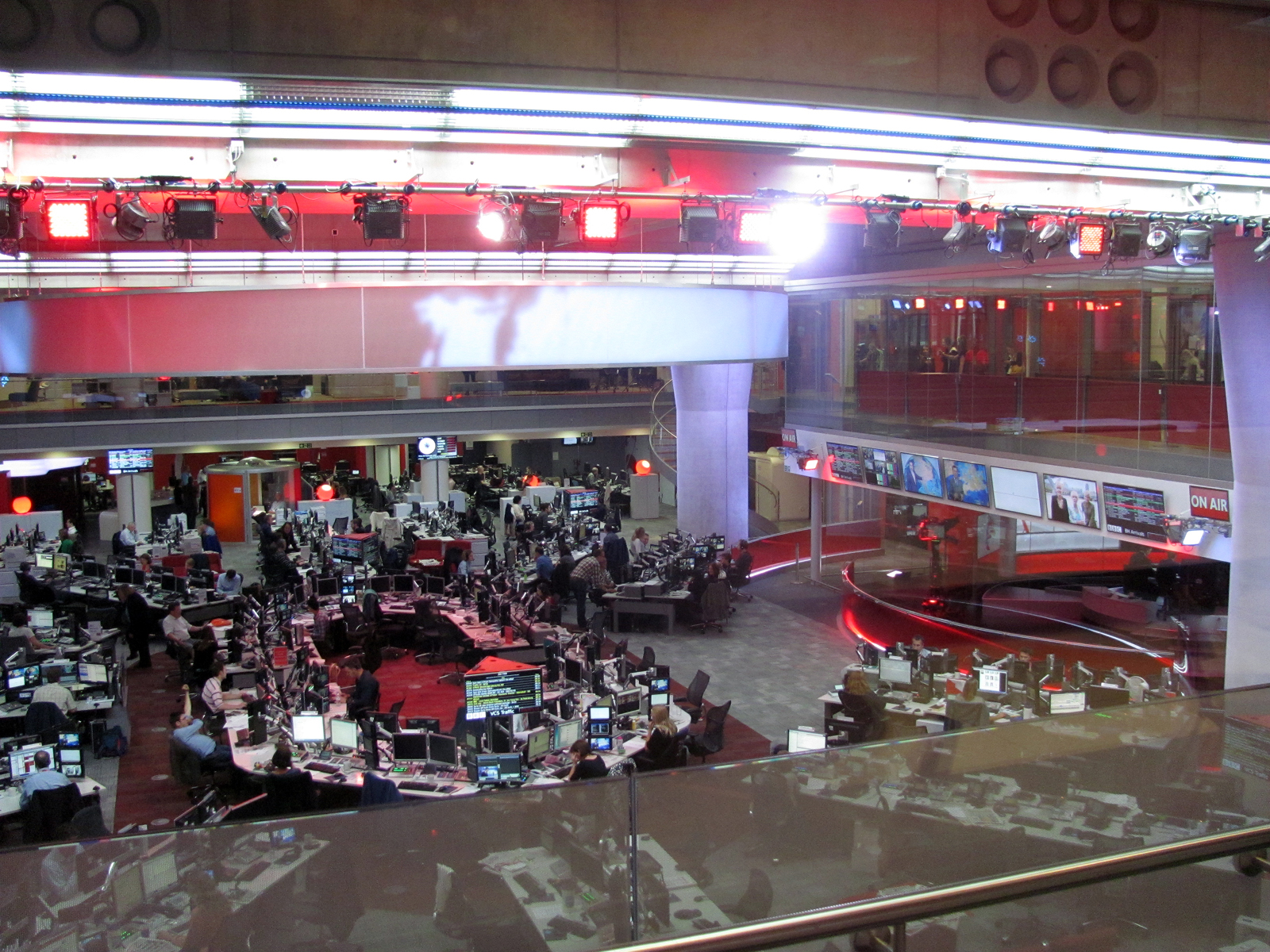
Photo by Toronto History via flickr (BY)
The digital age, characterized by its rapid dissemination of information and the proliferation of diverse content creators, has simultaneously amplified the importance and complexity of journalistic accuracy. In this landscape, a robust and transparent corrections policy is not merely a journalistic nicety; it is a fundamental pillar of credibility and a testament to an outlet’s commitment to truth. Good news organizations, those that readers trust and rely upon, do not just strive for accuracy in their initial reporting; they proactively embrace the inevitability of human error and establish clear, accessible mechanisms for rectifying mistakes.
A corrections policy, at its core, is a public declaration by a news organization outlining its procedures for acknowledging, correcting, and rectifying factual errors, significant omissions, or misleading information published in its content. It details how the outlet handles feedback from readers, sources, and internal reviews regarding potential inaccuracies, and crucially, how it communicates these corrections to its audience. This isn't about admitting defeat; it's about demonstrating integrity and fostering a transparent relationship with the public it serves.
Key Takeaways
- Transparency is Paramount: A good corrections policy is easily found, clearly worded, and publicly accessible.
- Proactive vs. Reactive: While reacting to reader feedback is crucial, leading outlets also engage in internal review processes to catch errors.
- Specificity Matters: Corrections should clearly state what was wrong, what the correct information is, and where the change occurred.
- Promptness is Key: Timely corrections demonstrate a commitment to accuracy and prevent misinformation from lingering.
- Accessibility Across Platforms: Corrections should appear where the original error was published, including social media, print, and digital archives.
- Distinction from Updates/Clarifications: A corrections policy differentiates between factual errors, minor clarifications, and ongoing story developments.
- Building Trust: A robust policy is a cornerstone of journalistic ethics and essential for maintaining audience trust in an era of skepticism.
The Imperative of Accuracy in a Fragmented Information Ecosystem
The concept of a formal corrections policy has evolved significantly. In the era of print-only journalism, corrections often appeared in a small box on an inside page, sometimes days after the initial error. The internet, however, changed everything. Information now travels globally at light speed, and a factual error can be amplified across platforms before an editor even finishes their morning coffee. This rapid propagation means that uncorrected errors can quickly morph into widely accepted falsehoods, undermining public discourse and trust in institutions.
For news organizations operating in the "Generic News and Trending Context" space, where stories often break quickly and evolve dynamically, a clear corrections policy is particularly vital. The very nature of trending topics means information can be fluid, initial reports can be incomplete, and primary sources may be unverified in the nascent stages of a story. Outlets like Reuters Fact Check (https://www.reuters.com/fact-check/) and AP Fact Check (https://apnews.com/hub/ap-fact-check) exemplify the focused effort required to verify information, but even their rigorous processes acknowledge the possibility of subsequent refinement.
Who is this for? Primarily, a corrections policy is for the audience – readers, viewers, and listeners who rely on the news organization for accurate information. It empowers them to hold the outlet accountable and provides a clear pathway for them to report potential errors. Secondly, it is for the journalists and editors within the organization, providing a standardized procedure and a cultural expectation around acknowledging and fixing mistakes. Finally, it serves as a public statement to competitors, regulators, and the broader journalistic community about the outlet's commitment to ethical practices.
Anatomy of an Effective Corrections Policy: Practical Explanation with Examples
Good outlets don't just have a corrections policy; they embody it. Here's what constitutes a truly effective policy, broken down into practical components:
1. Prominent Placement and Accessibility
A corrections policy is useless if no one can find it. Leading news organizations place their policies in easily discoverable locations on their websites, often linked from the footer, an "About Us" section, or a dedicated "Standards and Ethics" page. The BBC, for instance, provides a comprehensive "Verification Guide" (https://www.bbc.co.uk/news/help-41670342) that details their commitment to accuracy and outlines processes for raising concerns.
2. Clear Definitions and Scope
The policy should clearly define what constitutes a "correction" versus a "clarification," an "update," or a "retraction."
- Correction: A change made to rectify a factual error in the original published content.
- Clarification: Additional information provided to make a statement clearer or to add context, without necessarily implying a factual error in the original.
- Update: A substantive addition to a story as new information becomes available, often without changing the accuracy of the previous reporting.
- Retraction: The complete withdrawal of a published article due to fundamental flaws, ethical breaches, or a determination that the core premise was false. Retractions are rare and signal a serious issue.
The policy should also specify what types of content it applies to (e.g., news articles, opinion pieces, social media posts, videos).
3. Procedure for Reporting Errors
This is perhaps the most crucial element for the audience. A good policy provides clear, actionable steps for readers to report potential errors. This typically includes:
- Dedicated Contact Information: A specific email address (e.g., corrections@newsoutlet.com), a phone number, or an online form.
- Required Information: What details the reader should provide (e.g., article URL, date of publication, specific sentence/paragraph in question, proposed correction, supporting evidence).
- Acknowledgement: A statement that reported errors will be reviewed promptly.
4. Internal Review and Verification Process
While not always explicitly detailed in the public-facing policy, good outlets describe their internal process for vetting reported errors. This usually involves:
- Assignment to a Designated Editor: Often a managing editor or standards editor.
- Independent Verification: Cross-referencing information with reliable sources, consulting with the original reporter, and seeking additional evidence.
- Decision-Making Protocol: Who has the ultimate authority to approve a correction.
5. How Corrections Are Published
This is where transparency shines. Effective policies stipulate how and where corrections will appear:
| Aspect | Best Practice

Photo by Paul Keller via flickr (BY)
Referenced Sources
- Reuters Fact Check — Reuters
- Nieman Journalism Lab — Nieman Lab
- BBC News Verification Guide — BBC
- AP Fact Check — Associated Press