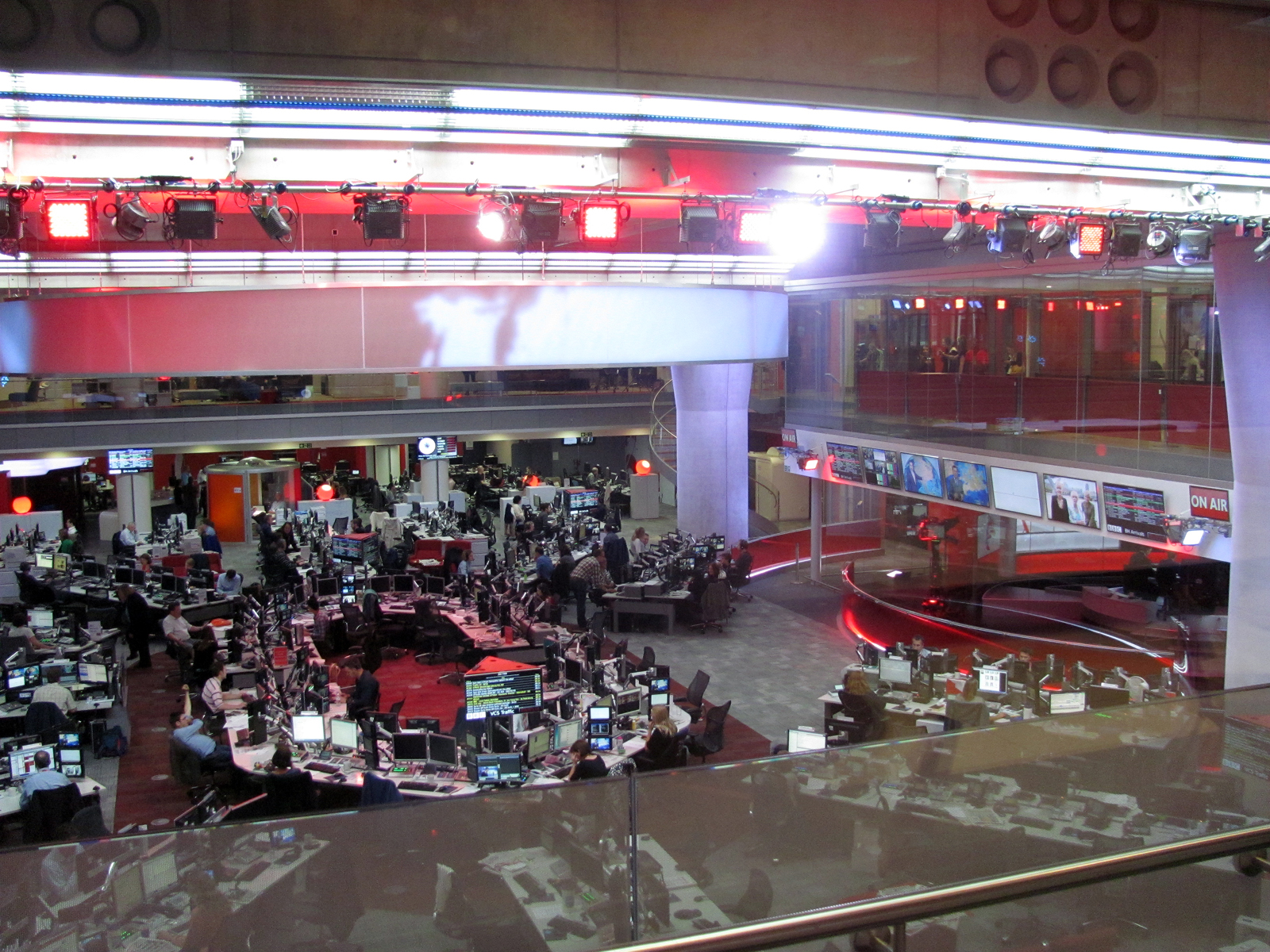
Photo by Roger Blackwell via flickr (BY)
In the fast-paced realm of digital news consumption, the default mode for many is to skim headlines and absorb only the opening paragraphs of articles. This tendency is particularly pronounced with "wire stories" – the foundational news reports disseminated by agencies like the Associated Press (AP), Reuters, and Agence France-Presse (AFP). While these initial paragraphs, often called "leads" or "ledes," are meticulously crafted to deliver the most critical information concisely, stopping there often means missing crucial context, nuance, and even contradictory details. "Reading Beyond the First Graph in Wire Stories" is not merely a suggestion; it's a critical skill for anyone seeking a comprehensive and accurate understanding of current events, especially in an era rife with information overload and potential misinformation. It’s about cultivating an informed perspective that transcends superficial engagement, delving into the deeper layers of reporting that provide a richer tapestry of facts, perspectives, and implications.
Key Takeaways for Deeper News Consumption
- The Lede is a Summary, Not the Whole Story: Understand that the first paragraph (lede) of a wire story is designed to summarize the most vital "who, what, when, where, why, and how." It's an entry point, not a complete narrative.
- Context and Nuance Reside Below: Subsequent paragraphs often contain crucial background, historical context, differing viewpoints, methodology of reporting, and qualifying statements that shape the full meaning of the news.
- Identify Attributions and Sources: Pay close attention to who is saying what. Wire services are diligent about attribution. Differentiating between reported facts, quoted statements, and expert analysis is paramount.
- Spot Caveats and Uncertainties: Important caveats, limitations of information, and acknowledgements of ongoing developments are frequently embedded deeper in the text.
- Evaluate the "Why" and "How": While the lede might cover the "what," the deeper sections often unravel the "why" and "how," exploring causes, consequences, and mechanisms behind the reported events.
- Recognize Wire Service Conventions: Familiarize yourself with the structured nature of wire reporting, which prioritizes factual dissemination over narrative flair, often using an inverted pyramid style.
The Foundation of Wire Reporting: An Inverted Pyramid
To truly appreciate the necessity of reading beyond the initial sentences, one must first grasp the fundamental structure of wire service journalism. News agencies, by their very nature, serve a diverse clientele ranging from local newspapers with tight deadlines to international broadcasters needing instant updates. This demand for immediate, digestible information led to the widespread adoption of the "inverted pyramid" style of writing.
In this structure, the most crucial information—the "who, what, when, where, why, and how" (often referred to as the 5 Ws and H)—is presented immediately in the opening paragraph, or lede. Subsequent paragraphs then fill in progressively less critical, but still vital, details, background, context, and supporting evidence. The logic is simple: if a reader or editor only has time for the first few lines, they still get the essence of the story. If they can read further, they gain a deeper, more nuanced understanding.
However, this efficiency comes with a caveat. Relying solely on the lede can lead to an incomplete, or even skewed, understanding. Consider a lede reporting a significant policy change. While it might state what the change is and who enacted it, the paragraphs that follow are likely to detail its potential impact, the arguments for and against it, historical precedents, expert opinions, and the political maneuvering that led to its implementation. Without this deeper dive, one might grasp the "headline," but miss the intricate web of implications and perspectives that truly define the event.
Wire services like Reuters and AP adhere rigidly to journalistic standards, emphasizing accuracy, impartiality, and comprehensive factual reporting https://www.reuters.com/fact-check/ https://apnews.com/hub/ap-fact-check. Their internal style guides and verification processes are rigorous, ensuring that the information they transmit is as reliable as possible. This meticulousness extends throughout the entire report, not just the opening.
Navigating the Depths: Practical Steps and Examples
Moving beyond the first graph requires a conscious shift in reading habits. It's an active process of inquiry, rather than passive consumption.
Identify the Core Claim vs. Supporting Evidence:
- Example: A lede states: "Global temperatures in 2023 reached record highs, scientists announced today."
- Beyond the First Graph: The subsequent paragraphs will likely detail which scientific bodies made the announcement (e.g., NOAA, NASA, Copernicus Climate Change Service), the specific metrics used (e.g., average surface temperature, ocean heat content), the historical data points for comparison, the methodologies employed in data collection and analysis, and the statistical significance of the findings. They might also include quotes from scientists explaining the implications or expressing concerns. Without this, the initial statement, while accurate, lacks its full scientific weight and context.
Unpack Attributions and Source Hierarchy:
- Example: A lede: "Sources close to the negotiations indicate a breakthrough is imminent."
- Beyond the First Graph: Immediately question "sources close to the negotiations." Who are they? Are they authorized to speak? Do they have a vested interest? The following paragraphs might provide more specific, though still anonymous, descriptors ("a senior diplomatic official," "an aide to the lead negotiator"), or, crucially, move on to on-the-record statements from official spokespeople or published documents. The hierarchy of sources (official statements > named experts > anonymous sources > speculative analysis) is critical to evaluating the credibility of information. The BBC News Verification Guide emphasizes the importance of understanding source reliability https://www.bbc.co.uk/news/help-41670342.
Look for Counter-Arguments, Nuance, and Dissenting Voices:
- Example: A lede: "The government today unveiled a new economic stimulus package aimed at boosting national growth."
- Beyond the First Graph: While the lede establishes the fact of the package, deeper reading will reveal its specific components, projected costs, and expected outcomes. Crucially, it will almost certainly include reactions from opposition parties, economic analysts, and various stakeholders (e.g., business associations, labor unions). These sections provide contrasting perspectives, potential criticisms, and alternative analyses, helping the reader form a more balanced understanding of the policy's reception and likely effectiveness. A robust wire story will actively seek out and present these different angles.
Identify Qualifications, Caveats, and Uncertainty:
- Example: A lede: "Early reports suggest a new vaccine is highly effective against the novel virus."
- Beyond the First Graph: The word "suggest" is a powerful indicator of preliminary information. Further paragraphs will detail the phase of clinical trials (e.g., Phase 1, 2, or 3), the size of the study group, the specific efficacy rate reported, the types of side effects observed, and, critically, any limitations of the study (e.g., "results are preliminary and have not yet been peer-reviewed," "efficacy against new variants is still being studied"). These qualifications are essential for accurately assessing the significance and reliability of the initial claim.
Seek Out Historical Context and Precedent:
- Example: A lede: "Country X has announced sanctions against Country Y following recent aggression."
- Beyond the First Graph: To truly understand the gravity and potential impact of these sanctions, the reader needs historical context. Subsequent paragraphs will likely detail the specific acts of aggression, previous diplomatic efforts, the history of relations between Country X and Country Y, past instances of sanctions, and their effectiveness (or lack thereof). This historical backdrop transforms a simple factual statement into a narrative rich with geopolitical significance.
Here's a checklist for critical reading beyond the lede:
| Element to Look For | Why It Matters | Example Question to Ask |
|---|---|---|
| Specifics & Details | Provides depth and makes abstract claims concrete. | What exact figures, names, or locations are mentioned later? |
| Attribution & Sourcing | Establishes credibility and identifies potential biases. | Who is quoted directly? Are sources named or anonymous? What is their expertise/position? |
| Context & Background | Explains the 'why' and connects the news to broader trends/history. | What historical events or prior developments are relevant to this story? |
| Nuance & Counter-Arguments | Presents a balanced view, acknowledging complexity. | Are there differing opinions, criticisms, or alternative interpretations presented? |
| Limitations & Qualifications | Indicates the current state of information and what is still unknown. | Are there phrases like "preliminary," "unconfirmed," "further investigation needed"? |
| Impact & Implications | Explores the consequences and significance of the reported event. | Who or what will be affected by this news, and how? |
| Methodology of Reporting | Gives insight into how the information was gathered. | Does the article describe how data was collected or how conclusions were reached? |
| Timeline & Chronology | Places events in sequential order, clarifying cause and effect. | When did specific events occur in relation to each other? |
Common Mistakes and Risks of Stopping at the Lede
The dangers of superficial reading are amplified in the current information environment.
- Misinterpretation and Skewed Understanding: The most obvious risk is misunderstanding the core message. A lede might highlight a positive aspect of an event, while deeper paragraphs reveal significant caveats or negative consequences.
- Vulnerability to Misinformation and Disinformation: Without the full context, readers are more susceptible to out-of-context quotes, cherry-picked statistics, or narratives that are technically true in their opening but misleading when the full picture is considered. Fact-checking organizations, like those at Reuters and AP, frequently debunk claims that arise from incomplete readings of reports https://www.reuters.com/fact-check/ https://apnews.com/hub/ap-fact-check.
- Formation of Uninformed Opinions: Basing opinions solely on a headline or a lede inevitably leads to opinions that lack depth, nuance, and a comprehensive understanding of the situation. This can hinder productive discourse and decision-making.
- Failure to Identify Bias: While wire services strive for objectivity, the selection and framing of details can still carry subtle biases. Identifying these often requires examining the full range of information presented, including what is emphasized or downplayed in later sections. The Nieman Journalism Lab frequently discusses the challenges and best practices in maintaining journalistic integrity and identifying bias https://www.niemanlab.org/.
- Missing Crucial Calls to Action or Future Developments: Important information about what happens next, where to find more information, or how the public can engage (e.g., upcoming votes, public hearings, opportunities for feedback) is almost never in the lede.
This deeper engagement is not just for journalists or academics; it's for any citizen seeking to be an informed participant in society. It's an antidote to the "TL;DR" (Too Long; Didn't Read) culture, fostering a more thoughtful and critical approach to news consumption. By consistently reading beyond the initial summary, individuals can build a more robust and accurate mental model of current events, better equipped to discern truth from spin and understand the world in all its complexity.
Frequently Asked Questions
What is "Reading Beyond the First Graph in Wire Stories"?
It refers to the practice of not just consuming the initial summary paragraph (the "lede") of a news report from agencies like AP or Reuters, but actively engaging with the entire article. This means delving into subsequent paragraphs that provide critical context, background, specific details, diverse perspectives, and qualifying information essential for a complete and accurate understanding of the news.
Who is this advice for?
This practice is crucial for anyone seeking to be a well-informed consumer of news. This includes students, educators, professionals who need to stay updated on current events, concerned citizens, and anyone wary of misinformation or superficial understandings of complex issues. It's particularly vital for those who regularly encounter news from wire services, whether directly or through local news outlets that republish wire content.
Why are wire stories structured with the most important information first?
Wire stories traditionally follow the "inverted pyramid" style. This structure was developed to ensure that the most crucial information (the 5 Ws and H – Who, What, When, Where, Why, How) is available immediately. This allowed editors with tight deadlines to quickly grasp the story's essence and trim from the bottom if space was limited, without losing the core facts. It also caters to readers who might only have time to skim.
Can't I just trust the first paragraph if it's from a reputable wire service?
While reputable wire services like AP and Reuters are known for their accuracy and rigorous fact-checking https://www.reuters.com/fact-check/ https://apnews.com/hub/ap-fact-check, the first paragraph is by design a summary. It presents the what but often omits the why, how, crucial context, dissenting opinions, potential limitations, or future implications. Trusting only the lede means you're getting an accurate but incomplete picture, which can lead to misinterpretations or a skewed understanding.
What should readers do next after understanding this concept?
Implement a conscious habit of scrolling and reading. When you encounter a news article, especially one that appears to be a wire report, commit to reading at least the first three to five paragraphs, and ideally the entire piece. Actively look for the specific elements mentioned in the checklist: detailed examples, named sources, historical context, counter-arguments, and any caveats or uncertainties. This active engagement will significantly deepen your comprehension and critical thinking skills.
Does this apply to all news articles, or just wire stories?
While wire stories specifically adhere to the inverted pyramid, the principle of reading beyond the initial summary applies broadly to all forms of journalism. Many news articles, even those with more narrative flair, still front-load key information. Developing the habit of reading the full article, looking for context, nuance, and diverse perspectives, is a valuable skill for consuming any news content effectively.
References
- Reuters Fact Check: https://www.reuters.com/fact-check/
- Nieman Journalism Lab: https://www.niemanlab.org/
- BBC News Verification Guide: https://www.bbc.co.uk/news/help-41670342
- AP Fact Check: https://apnews.com/hub/ap-fact-check
This article provides general educational information and should not be considered as professional advice.

Photo by Matt From London via flickr (BY)
Referenced Sources
- Reuters Fact Check — Reuters
- Nieman Journalism Lab — Nieman Lab
- BBC News Verification Guide — BBC
- AP Fact Check — Associated Press