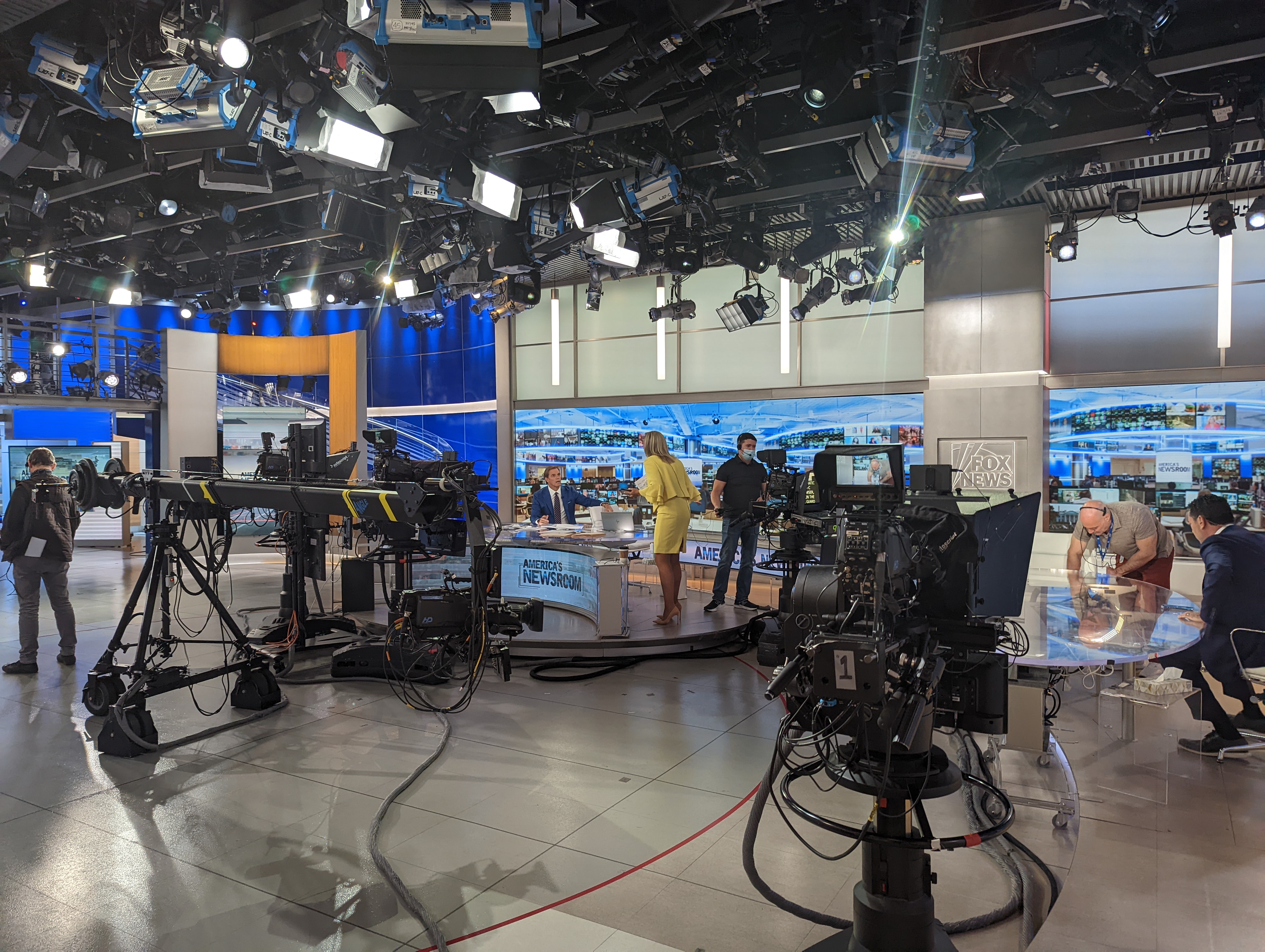
Photo by luc legay via flickr (BY-SA)
The digital landscape, a vibrant and often chaotic public square, is increasingly shaped by two interconnected forces: hashtag dynamics and algorithm incentives. Understanding these mechanisms is no longer a niche concern for social media marketers; it's fundamental for anyone navigating or contributing to online discourse, from individual users seeking information to journalists tracking trends and policymakers observing public sentiment.
At its core, hashtag dynamics refers to the way keywords prefixed with a hash symbol (#) gain traction, evolve, and influence the visibility and categorization of content across social platforms. These dynamics are not organic in a purely natural sense; they are heavily influenced by algorithm incentives, which are the programmatic rules and objectives designed by platforms to maximize engagement, retention, and ultimately, revenue. In essence, algorithms don't just observe hashtag trends; they actively shape them by deciding which content, and thus which hashtags, receive preferential treatment and reach a wider audience. This intricate dance dictates what we see, what trends, and what narratives gain prominence online.
This exploration is particularly relevant for anyone engaging with information online:
- Journalists and media professionals: To understand how news travels, how narratives are formed, and how misinformation can exploit these systems. The Nieman Journalism Lab frequently covers these intersections, offering insights into how media organizations adapt to algorithmic shifts [https://www.niemanlab.org/].
- Content creators and marketers: To develop effective strategies for visibility and audience engagement, recognizing that platform rules are not static.
- Researchers and academics: To study the spread of ideas, social movements, and the impact of digital platforms on public opinion.
- General internet users: To become more media literate, critically assessing the information presented to them and understanding why certain topics dominate their feeds.
By delving into these mechanics, readers will be better equipped to interpret online trends, contribute more effectively to digital conversations, and navigate the complex information ecosystem with greater discernment.
Key Takeaways
- Hashtags are algorithmic signals: They are not merely labels but critical metadata that algorithms use to categorize, recommend, and prioritize content. Their efficacy depends heavily on how platforms are incentivized to surface information.
- Engagement is the primary driver: Algorithms are predominantly designed to maximize user engagement (likes, shares, comments, time spent). Hashtags that contribute to higher engagement are often amplified.
- Context and Timeliness Matter: The relevance and recency of a hashtag are crucial. Trending hashtags often benefit from a virtuous cycle of visibility and engagement.
- Platform-specific nuances: While general principles apply, each platform (e.g., X/Twitter, Instagram, TikTok, LinkedIn) has unique algorithmic weighting for hashtags, influenced by its core user behavior and business model.
- The risk of manipulation: The incentivized nature of algorithms makes them susceptible to manipulation, leading to the spread of misinformation, astroturfing, and echo chambers. Fact-checking organizations like AP Fact Check highlight these risks regularly [https://apnews.com/hub/ap-fact-check].
The Algorithmic Underpinnings of Hashtag Visibility
To truly grasp hashtag dynamics, one must first appreciate the computational architecture that governs their influence. Algorithms, at their core, are sets of instructions designed to solve problems or perform calculations. In the context of social media, they are sophisticated recommendation engines tasked with a singular, overarching goal: keeping users engaged. This goal is achieved through various metrics, including:
- Time Spent on Platform: The longer a user stays, the more ads they see, and the more data the platform collects.
- Interaction Rate: Likes, comments, shares, saves – these are direct signals of user interest.
- Content Diversity and Novelty: Algorithms attempt to balance showing users what they already like with introducing new, potentially engaging content.
- Recency: Fresh content often gets a temporary boost, especially on platforms like X (formerly Twitter) where real-time information is paramount.
Hashtags serve as vital inputs for these algorithms. When a user includes #ClimateChange in a post, the algorithm doesn't just see text; it processes a signal that categorizes the content, associates it with a topic, and potentially connects it to other users interested in similar subjects. The more frequently a hashtag is used in conjunction with highly engaging content, the more the algorithm learns to associate that hashtag with valuable, attention-grabbing information. This creates a feedback loop: engaging content boosts a hashtag's visibility, which in turn exposes more users to that content, further boosting engagement.
Consider the phenomenon of a "trending topic" on X. This isn't solely a reflection of the sheer volume of posts using a hashtag. Instead, it's a complex calculation that considers volume, velocity (how fast the hashtag is gaining traction), diversity of users discussing it, and crucially, the engagement generated by posts using that hashtag. An algorithm might prioritize a hashtag with fewer overall mentions but significantly higher engagement rates over a hashtag with more mentions but lower interaction.

Photo by luc legay via flickr (BY-SA)
Practical Explanations and Examples
Understanding how these systems work provides a framework for effective strategy.
The Lifecycle of a Trending Hashtag
A hashtag typically follows a trajectory:
- Emergence: Often begins with a specific event, news item, or cultural moment. For instance, a major political announcement might trigger
#Election2024or#PolicyDebate. - Growth/Momentum: As more users engage, and as the algorithm identifies it as a source of engagement, its visibility increases. Early adopters and influencers can significantly accelerate this phase.
- Peak: The hashtag reaches its maximum visibility and usage, often dominating trending lists. This is where news organizations might pick up on it, further amplifying its reach.
- Decline/Sustained Relevance: Usage tapers off as the initial impetus fades, or it settles into a niche as a semi-permanent identifier for an ongoing topic (e.g.,
#Sustainability,#FitnessMotivation).
Example: The #BlackLivesMatter Movement
This hashtag didn't just trend; it became a global identifier for a complex social movement. Its dynamics were fueled by real-world events, widespread public engagement, and algorithmic amplification. Content using this hashtag, particularly during periods of intense protest or significant news coverage, often generated high levels of interaction (shares, comments, discussions), signaling to algorithms its importance and relevance. Platforms, while often facing pressure regarding content moderation, also recognized the immense engagement this hashtag generated, contributing to its sustained visibility. Pew Research Center has extensively documented the role of social media and hashtags in social movements [https://www.pewresearch.org/journalism/].
Strategic Hashtag Utilization
For creators and communicators, understanding these dynamics translates into actionable strategies:
- Relevance Over Volume: Don't just use popular hashtags; use relevant popular hashtags. An algorithm prioritizes content that matches user interests. If your content about gardening uses
#NFTspurely for visibility, it's unlikely to perform well long-term as users interested in NFTs won't engage with gardening content, sending negative signals to the algorithm. - Niche Hashtags for Targeted Reach: While broad hashtags reach many, niche hashtags can connect you with highly engaged, specific audiences. For example,
#IndieGameDevmight have less overall volume than#Gaming, but it targets a more dedicated community. - Hashtag Stacking (Platform Dependent): On platforms like Instagram, using a combination of broad, medium-tail, and niche hashtags can be effective. For example, a photographer might use
#Photography(broad),#LandscapePhotography(medium), and#IcelandicLandscapes(niche). - Monitor Trending Topics (with caution): Jumping on a trending hashtag can provide a temporary boost, but ensure your contribution is genuine and adds value. "Trendjacking" without relevance can backfire, appearing opportunistic or even contributing to misinformation.
- Leverage Platform Analytics: Most platforms offer some form of analytics. Understanding which of your hashtags drive engagement can inform future content strategy.
Checklist for Effective Hashtag Use
| Aspect | Description |
|---|---|
| Relevance | Does the hashtag accurately describe your content? Mismatched hashtags confuse algorithms and users. |
| Audience Alignment | Is this hashtag used by your target audience? Research where your audience congregates online. |
| Specificity | Balance broad appeal with niche targeting. A mix often performs best. |
| Timeliness | Is it a current topic? Consider using trending hashtags if genuinely relevant, but avoid forced trendjacking. |
| Platform Limits | Adhere to platform-specific recommendations (e.g., X suggests 1-2, Instagram allows up to 30, but often 5-10 is optimal). |
| Engagement Potential | Will this hashtag likely lead to interactions (likes, shares, comments) from interested users? High engagement signals value to algorithms. |
| Competitor Analysis | What hashtags are successful competitors or thought leaders in your niche using? |
| Avoid Spamming | Do not stuff posts with irrelevant hashtags. This is often penalized by algorithms and degrades user experience. |
Common Mistakes and Risks
The powerful interplay of hashtag dynamics and algorithm incentives also presents significant challenges and risks:
Misinformation and Disinformation Amplification
Algorithms are designed for engagement, not necessarily for truth. Content, regardless of its veracity, that generates high interaction can be amplified. Malicious actors understand this and can strategically use hashtags to spread propaganda or conspiracy theories. The International Fact-Checking Network (IFCN) at Poynter outlines standards precisely to combat the exploitation of these dynamics by false narratives [https://www.poynter.org/ifcn/]. For example, during public health crises, hashtags associated with unproven remedies or anti-vaccine sentiments can gain traction if they provoke strong emotional responses and high engagement, even if demonstrably false.
Echo Chambers and Filter Bubbles
Algorithms learn from user behavior. If a user consistently engages with content from a particular viewpoint, the algorithm will prioritize showing them more of that content, often using associated hashtags. This can lead to echo chambers, where individuals are primarily exposed to information that confirms their existing beliefs, limiting exposure to diverse perspectives and hindering critical thinking.
Astroturfing and Coordinated Inauthentic Behavior
The incentivization of visibility means that hashtags can be deliberately manipulated. "Astroturfing" refers to campaigns that attempt to create an impression of widespread popular support for an idea, individual, or product, where no such support exists. This often involves networks of fake accounts or coordinated efforts to flood platforms with specific hashtags, artificially boosting their perceived popularity and tricking algorithms into amplifying them.
Over-reliance on Trends
While trending hashtags offer visibility, an over-reliance on them can dilute a brand's or individual's authentic voice. Chasing every trend can make content seem generic or opportunistic, ultimately undermining long-term audience trust and engagement.
Shadowbanning and Algorithmic Penalties
Platforms constantly refine their algorithms to combat spam, hate speech, and manipulation. Misusing hashtags (e.g., stuffing irrelevant ones, using banned hashtags, engaging in repetitive behavior) can lead to reduced visibility, often referred to as "shadowbanning," or even account suspension.
Frequently Asked Questions
Q1: Are certain hashtags "bad" for my content?
A1: Yes, absolutely. Hashtags associated with hate speech, spam, or illicit activities are often blacklisted by platforms, and using them can result in your content being suppressed or even your account being penalized. Additionally, using irrelevant hashtags can confuse algorithms, leading to your content being shown to uninterested users, which results in low engagement and negative algorithmic signals.
Q2: How many hashtags should I use per post?
A2: This is highly platform-dependent. On X (formerly Twitter), 1-2 highly relevant hashtags are generally recommended to avoid looking spammy. On Instagram, while up to 30 are allowed, many experts suggest 5-10 well-researched, mixed-specificity hashtags for optimal reach without overwhelming the caption. For TikTok, 3-5 relevant and trending hashtags are common. LinkedIn typically benefits from 2-3 professional hashtags. It's best to consult platform-specific best practices and experiment with your own audience.
Q3: Do old hashtags lose their effectiveness?
A3: Generally, yes, especially for broad, time-sensitive topics. The "recency" signal is strong in most algorithms. However, evergreen or niche hashtags (e.g., #DigitalMarketingTips, #SustainableFashion) can maintain long-term effectiveness as they consistently categorize content for a dedicated audience. Their effectiveness might not be about trending but about discoverability for specific searches.
Q4: Can I create my own hashtag and make it trend?
A4: You can certainly create your own hashtag. Making it "trend" is significantly harder and typically requires substantial organic engagement, influencer amplification, or paid promotion. For a personal or niche brand, creating a unique hashtag is excellent for community building and content curation (e.g., #YourBrandNameTips), allowing users to easily find your content and others discussing it. Trending nationally or globally without significant resources is highly unlikely.
Q5: How do algorithms differentiate between genuine trends and manipulated ones?
A5: This is an ongoing challenge for platforms. Algorithms use various signals to detect manipulation, including velocity (unnatural spikes in usage), source diversity (are too many posts coming from a few accounts or bots?), account authenticity (age, activity patterns, follower count), and content quality (is the content itself spammy or low-value?). However, sophisticated manipulation can still evade detection, leading to the need for human moderation and fact-checking efforts, as outlined by organizations like the IFCN [https://www.poynter.org/ifcn/].
Q6: Should I always use trending hashtags?
A6: Not necessarily. While trending hashtags offer potential visibility, their relevance to your content is paramount. Forcing an irrelevant trending hashtag into your post can lead to low engagement from uninterested users, which can negatively impact your content's algorithmic performance. Prioritize relevance and value over simply chasing trends.
Understanding hashtag dynamics and algorithm incentives is crucial for anyone navigating the modern information landscape. These systems are not static; they evolve constantly, requiring continuous learning and adaptation. This article provides general educational information and is not specific advice for any individual situation.
Sources
- AP Fact Check: [https://apnews.com/hub/ap-fact-check]
- Pew Research Journalism: [https://www.pewresearch.org/journalism/]
- IFCN Fact-Checking Standards: [https://www.poynter.org/ifcn/]
- Nieman Journalism Lab: [https://www.niemanlab.org/]
Referenced Sources
- AP Fact Check — Associated Press
- Pew Research Journalism — Pew Research
- IFCN Fact-Checking Standards — Poynter
- Nieman Journalism Lab — Nieman Lab