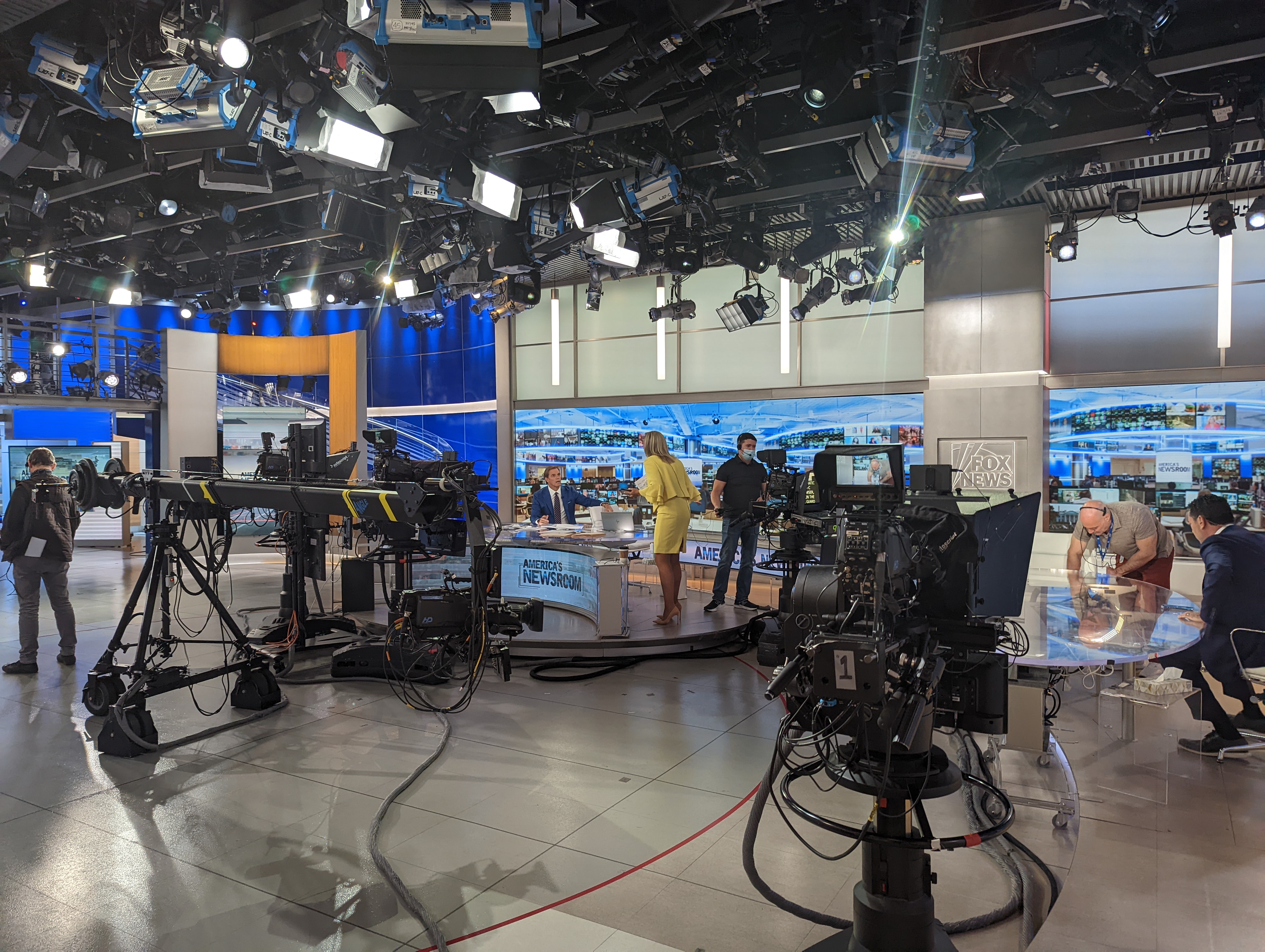
Photo by Toronto History via flickr (BY)
The proliferation of sophisticated AI-driven content generation tools has ushered in an era where distinguishing between authentic and fabricated media has become increasingly challenging. For the average internet user, encountering a deepfake—a portmanteau of "deep learning" and "fake"—is no longer a rare occurrence but a growing reality. These synthetic media pieces, often leveraging neural networks to manipulate or generate visual and audio content, can convincingly portray individuals saying or doing things they never did. This guide aims to equip casual viewers with practical tips and a critical mindset to identify potential deepfakes, fostering a more informed and resilient online experience.
Why Every Viewer Needs Deepfake Detection Skills
In an interconnected world where information spreads at light speed, the ability to discern manipulated content is no longer a niche skill for journalists or tech experts; it's a fundamental aspect of digital literacy. Deepfakes pose significant threats across various domains. Politically, they can be weaponized to spread disinformation, influence public opinion, and sow discord, as seen with fabricated speeches or endorsements [Pew Research Journalism]. Socially, they can be used for harassment, defamation, or identity theft, eroding trust in public figures and even personal relationships. Economically, deepfakes could manipulate stock markets or facilitate sophisticated scams. For the casual viewer, the immediate impact might be simply believing something untrue, but the cumulative effect on societal trust and the integrity of information is profound. This article is therefore for anyone who consumes news, watches videos, or interacts on social media – essentially, anyone navigating the modern digital landscape.
Decoding the Deceptive: A Background on Deepfake Mechanics
Deepfakes are typically created using Generative Adversarial Networks (GANs) or autoencoders. In a GAN, two neural networks, a 'generator' and a 'discriminator,' compete against each other. The generator creates synthetic media, while the discriminator tries to identify if the media is real or fake. Through this iterative process, the generator becomes increasingly adept at producing highly realistic fakes that can fool the discriminator. Autoencoders, on the other hand, learn to encode and decode faces, allowing for the swapping of one person's face onto another's body in a video, maintaining the original person's expressions and movements. The sophistication of these tools means that deepfakes are constantly evolving, making detection a dynamic challenge. Early deepfakes were often crude, but today's iterations can be remarkably seamless, blending into genuine footage with alarming precision.
First Impressions: The "Gut Feeling" and Initial Scrutiny
Before diving into forensic details, trust your initial instincts. Does something about the video or audio feel "off"? This isn't scientific, but often, our brains pick up on subtle inconsistencies before conscious analysis. If a piece of media evokes a strong emotional reaction, especially outrage or disbelief, it's worth pausing and subjecting it to greater scrutiny. The creators of deepfakes often aim to provoke, knowing that emotionally charged content is shared more readily.
Once that initial alarm bell rings, begin with a holistic assessment. Who shared this content? Is the source reputable? Is it a well-known news organization like the BBC or Reuters, or an obscure social media account with a history of sharing sensationalist or unverified information? Always consider the context: where and when was this supposedly filmed or recorded? Does it align with other known facts or events? A healthy dose of skepticism is your first line of defense [BBC].
Visual Tells: Unmasking the Pixelated Pretender
Deepfakes, despite their advancements, often leave subtle visual footprints. Here’s what to look for:
- Inconsistent Lighting and Shadows: Pay close attention to how light interacts with the subject's face and surroundings. Deepfake algorithms sometimes struggle to perfectly replicate the nuances of lighting. Look for shadows that don't match the light source, or areas of the face that are unnaturally bright or dim compared to the environment.
- Facial Anomalies and Skin Texture:
- Uncanny Valley Effect: Sometimes, while a deepfake might look human, there's an unsettling, almost robotic quality to the facial expressions. This is often referred to as the "uncanny valley" effect.
- Skin Texture: Deepfake faces can sometimes appear too smooth, overly airbrushed, or conversely, have an odd, pixelated texture around the edges where the synthetic face meets the real body. Look for a lack of natural pores, blemishes, or variations in skin tone that would be present in real skin.
- Blinking Patterns: Early deepfakes notoriously struggled with natural blinking. While this has improved, still observe the blinking frequency and naturalness. Do they blink too little, too much, or in an unnatural, jerky manner?
- Teeth and Gums: Examine the teeth. Are they unnaturally uniform, too bright, or do they appear to shift or distort with speech? Gums might also appear unnatural or absent.
- Eye Anomalies: Look for unusual reflections in the eyes, eyes that seem to dart unnaturally, or pupils that are oddly shaped or fixed.
- Hair and Accessories: Hair can be particularly tricky for deepfake algorithms. Look for hair that appears blurry, unnaturally stiff, or seems to float independently of the head. Glasses, jewelry, or other accessories might also show subtle distortions or disappear/reappear inconsistently.
- Edge Artifacts and Blurring: The transition lines where a manipulated face is superimposed onto a body can sometimes be visible. Look for slight blurring, pixelation, or a "halo" effect around the edges of the face, especially when the person moves their head.
- Head Position and Body Movement Discrepancies: Does the head movement seem fluid and natural with the body, or does it appear slightly disconnected or "pasted on"? The angle of the head might not perfectly align with the body's posture, or the body language might not match the facial expression.
Auditory Clues: Listening for the Lies
Deepfakes aren't just visual; audio manipulation is also prevalent.
- Inconsistent Vocal Tones and Pitch: Listen for sudden changes in vocal tone, pitch, or cadence that don't seem natural for the speaker.
- Unnatural Pauses or Stutters: While real speech has natural pauses, deepfake audio might have unusually long or awkwardly placed silences, or a robotic, overly smooth delivery lacking natural vocal inflections.
- Background Noise Discrepancies: Does the background noise in the audio match the visual environment? If someone is supposedly speaking in a busy street, but the audio is perfectly clean, that's a red flag. Conversely, if there's static or unusual audio artifacts that don't fit the setting, be suspicious.
- Lip-Sync Issues: This is a major tell. Does the speaker's mouth movements precisely match the words being spoken? Even slight desynchronization can indicate manipulation. Look closely at the pronunciation of specific sounds (e.g., "p," "b," "f") and how the lips form those shapes.
The Broader Context: Beyond the Pixels and Sounds
Even if the media itself looks and sounds convincing, always broaden your investigative scope.
- Source Verification: Always question the origin. Is the video or audio clip shared by a known, credible news outlet or an official channel? If it's from an unknown social media account or a suspicious website, be highly skeptical. Cross-reference the information with multiple reliable sources [Reuters Fact Check].
- Metadata Examination (When Possible): While casual viewers rarely have access to full metadata, be aware that manipulated media can sometimes have altered creation dates, times, or device information. If you're sharing content, tools like InVID WeVerify (a browser extension for journalists, but useful to understand the concept) can sometimes extract basic metadata and perform reverse image searches [Nieman Lab].
- Reverse Image/Video Search: For still images or keyframes from a video, use tools like Google Images reverse search or TinEye to see if the image has appeared elsewhere, especially in an earlier, unmanipulated context. This can reveal if an old image has been repurposed or altered.
- Absence of Other Coverage: If a significant event is depicted, especially involving public figures, why is this the only source reporting it? Major news events are typically covered by multiple reputable outlets. A lack of corroborating reports is a strong indicator of potential fabrication.
- Emotional Manipulation as a Red Flag: Be wary of content designed to elicit strong emotional responses (anger, fear, shock, extreme joy) without providing verifiable context. Deepfakes are often deployed with precisely this goal in mind to bypass critical thinking.
Checklist for Deepfake Suspicions
| Observation Category | Specific Indicators of Potential Deepfake |
|---|---|
| Visual - Face & Head | Unnatural skin texture (too smooth/bumpy) |
| Inconsistent blinking (too often/rarely) | |
| Odd eye reflections or pupils | |
| Distorted teeth or gums | |
| Blurry or floating hair | |
| Uncanny Valley effect (looks human, feels off) | |
| Head position misalignment with body | |
| Visual - Environment | Inconsistent lighting/shadows |
| Blurry edges or "halos" around subject | |
| Objects appearing/disappearing | |
| Audio | Lip-sync errors (words don't match mouth) |
| Unnatural vocal tone/pitch shifts | |
| Robotic or overly smooth speech | |
| Awkward pauses or stutters | |
| Mismatched background noise | |
| Context & Source | Unverified source/social media account |
| Content evokes extreme emotion | |
| Lack of corroborating reports from trusted media | |
| Appears out of context or time | |
| Claiming to be exclusive/sensational |
Common Pitfalls and Risks for Casual Viewers
One of the biggest risks is confirmation bias, where viewers are more likely to believe information that aligns with their existing beliefs, even if it's questionable. This makes them more susceptible to deepfakes that reinforce their worldview. Another pitfall is over-reliance on single indicators. No single anomaly guarantees a deepfake; rather, it’s the accumulation of multiple subtle cues that build a strong case for manipulation. Furthermore, the speed of sharing is a significant risk. In the rush to be the first to share "breaking news," vital verification steps are often bypassed, inadvertently amplifying fabricated content. Lastly, the "Poe's Law" effect — where it's difficult to distinguish satire or parody from genuine extremist views without clear indicators — can also apply to deepfakes, making it hard to tell if something is intentionally fake for comedic or artistic purposes versus malicious intent.
What to Do When You Suspect a Deepfake
If, after applying these tips, you strongly suspect you've encountered a deepfake:
- Do Not Share: The most crucial step is to prevent further dissemination of potentially false information.
- Report It: On social media platforms, use their reporting mechanisms for misinformation or manipulated media.
- Inform Others (Cautiously): If you're discussing it with friends or family, share your suspicions and explain why you think it might be fake, citing the anomalies you observed. Avoid making definitive claims unless you are absolutely certain, and instead, encourage critical thinking.
- Seek Expert Verification: If the content is significant, look for fact-checking organizations (like Reuters Fact Check or Snopes) that might be analyzing it. Journalists at reputable news organizations also have dedicated teams for verification [Nieman Lab].
By adopting a critical and observant approach, casual viewers can significantly enhance their ability to navigate the complex landscape of digital media, becoming more resilient against the deceptive power of deepfakes. The continuous evolution of AI means that detection methods will also need to evolve, but the foundational principles of skepticism, source verification, and detailed observation will remain indispensable.
Frequently Asked Questions
Q1: Are all manipulated videos deepfakes?
A1: No. While deepfakes are a type of manipulated video, not all manipulated videos are deepfakes. Simple video editing (like cutting, splicing, or adding effects) or "cheapfakes" (editing techniques like speeding up or slowing down footage, or altering context) are different. Deepfakes specifically refer to content generated or altered using sophisticated AI and deep learning techniques, often to convincingly replace or synthesize a person's identity or actions.
Q2: How quickly are deepfakes improving, and will detection become impossible?
A2: Deepfake technology is advancing rapidly, making detection increasingly challenging. However, detection methods are also evolving. Researchers are constantly developing new algorithms to spot the tell-tale signs, and platforms are investing in AI-powered detection tools. While it may become harder, a combination of AI detection, forensic analysis, and human critical thinking will likely remain essential. It's a continuous arms race between creators and detectors.
Q3: Can deepfakes be used for positive purposes?
A3: Yes, deepfake technology, or synthetic media in general, has potential positive applications. These include creating realistic special effects in movies, restoring old footage, aiding in language translation with realistic lip-syncing for educational content, or even generating synthetic data for medical research without compromising patient privacy. The ethical implications largely depend on the intent and transparency of their use.
Q4: What role do social media platforms play in combating deepfakes?
A4: Social media platforms are increasingly pressured to address the deepfake issue. Many have implemented policies against misleading manipulated media and are investing in AI detection tools. They also work with fact-checking organizations to label or remove identified deepfakes and provide educational resources to users. However, the sheer volume of content makes comprehensive real-time detection a significant challenge.
Q5: Should I trust news from smaller, independent outlets when verifying deepfakes?
A5: It depends on the outlet's reputation and verification practices. While major news organizations like the BBC and Reuters have established fact-checking processes, many smaller independent outlets also uphold high journalistic standards. The key is to assess their transparency, their history of accuracy, and whether they cite their sources. Always cross-reference with multiple reputable sources, regardless of the outlet's size.
Q6: Does my computer or phone have any built-in deepfake detection features?
A6: Generally, no. Standard consumer devices do not come with built-in, real-time deepfake detection features. While some operating systems or apps might have basic media analysis capabilities, sophisticated deepfake detection typically requires specialized software, powerful computing resources, and often, human expert analysis. The tips provided in this article focus on manual, critical observation that anyone can apply.
References
This guidance is for general informational purposes and should not be taken as definitive proof of authenticity or fabrication in specific instances.

Photo by allaboutgeorge via flickr (BY)
Referenced Sources
- Nieman Journalism Lab — Nieman Lab
- BBC News Verification Guide — BBC
- Reuters Fact Check — Reuters
- Pew Research Journalism — Pew Research